Every pantry has one: the cumin bought for a single pot of chili, a can of pumpkin from two Thanksgivings ago, the bag of rice that has moved apartments with you. The question is never whether it's still there, but whether it's still good. Most shelf-stable staples outlive their printed dates by a comfortable margin, and a few really do need to go. Here's how to tell the difference without gambling on dinner.
What the Dates on the Package Really Mean
"Best by," "sell by," and "use by" are quality markers, not safety deadlines. Most of the time the manufacturer is telling you when a product starts to taste or perform differently, not when it becomes dangerous — and "sell by" is aimed at the store, not at you. The clear exception is infant formula, where the date is tied to nutrition and safety. Follow that one exactly.
Two rules cover most of the pantry. Low-moisture foods — dry grains, sugar, salt, dried beans — stay safe far longer than they stay delicious. Moist and fatty foods, whether canned, jarred, or bottled, are where real spoilage lives. Flavor and texture go first; safety usually follows much later, if at all.
Dry Goods: Grains, Flour, Pasta, and Beans
Moisture is the enemy here, so anything bone-dry and kept dry is on your side.
Quick reference: dry goods
- White flour: 6 to 12 months in the pantry, longer in the freezer. Whole wheat and other whole grain flours: 3 to 6 months, because the oils in the bran and germ turn rancid first.
- White rice: two years or more in an airtight container, though flavor flattens well before that. Brown rice: about 6 months.
- Dry pasta: two years, sometimes longer if it's sealed well.
- Rolled oats and dry cereals: 6 to 12 months.
- Dried beans and lentils: 1 to 2 years for good texture. They stay safe much longer, but old beans cook unevenly and refuse to soften — soak them longer, add a pinch of baking soda to the water, or use a pressure cooker.
- Sugar, salt, and honey: effectively indefinite. They can harden or crystallize, but that's texture, not spoilage.
One habit worth adopting: if you buy flour, rice, or oats in bulk, freeze the bag for 48 to 72 hours before decanting it into containers. That kills pantry pest eggs you can't see, which is far easier than clearing an infested shelf six weeks later.
Canned and Jarred Goods: Long, But Not Eternal
Properly processed cans are the marathon runners of the pantry. Two to five years is a reasonable window, and low-acid foods such as beans, tuna, broth, and most vegetables sit at the long end. Acidic contents — tomatoes, citrus, pickles, fruit — are closer to 12 to 18 months unopened, because acid slowly works at the inside of the can and dulls the flavor as it goes.
Storage temperature matters more than people expect. A cool cupboard away from the stove can add a year; a hot garage or the space above the refrigerator can shave one off.
Once a jar is open, the clock changes entirely. Pasta sauce and salsa are usually good for about a week in the fridge, jam and preserves for a month or so, opened tomato paste for a few days. Write the opening date on the lid with a marker and you'll never have to guess.
Cans with bulging ends, deep dents along a seam, leaks, or rust are a hard no — and never taste the contents to check. If a can hisses, spurts, or the contents look foamy or smell off, throw it out. Home-canned goods carry more risk than commercial ones, so follow tested processing instructions and discard any jar with a broken seal, an off smell, or cloudy liquid rather than cooking with it.
Spices, Herbs, and Baking Essentials
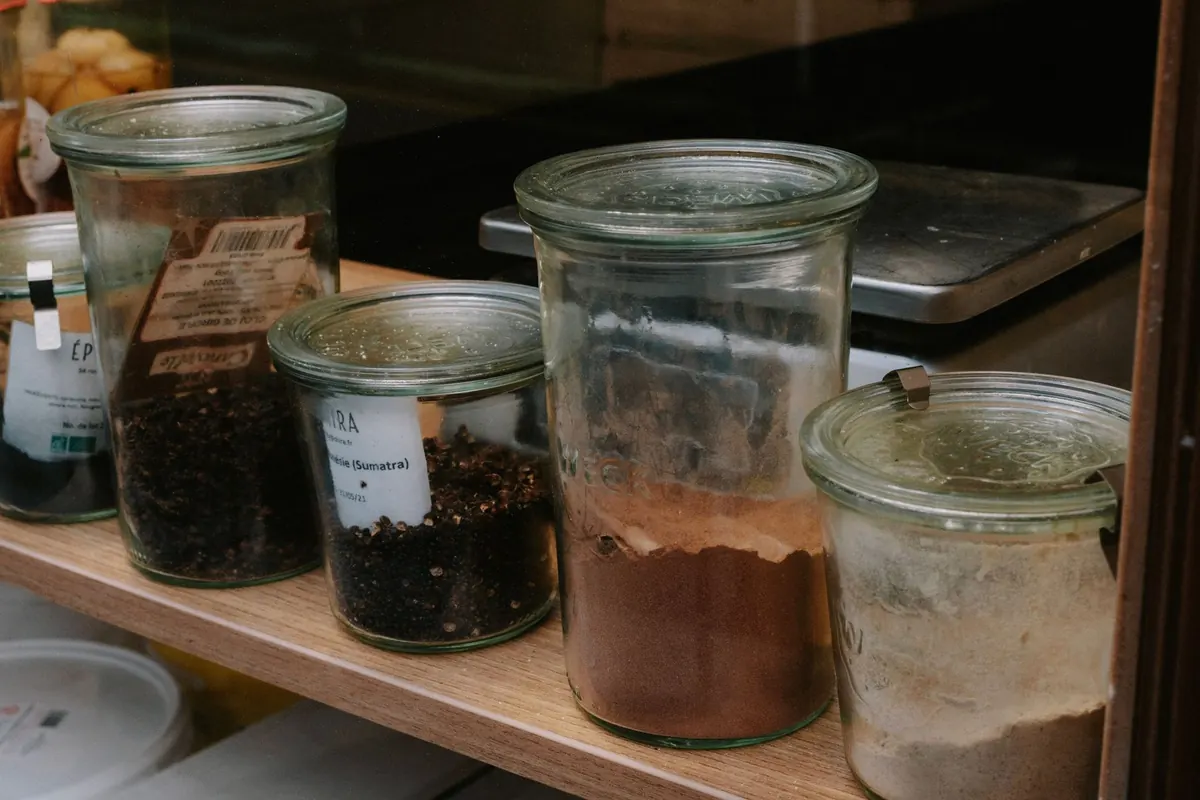
Spices don't spoil in a way that makes you sick. They just quietly quit. Whole spices — peppercorns, cinnamon sticks, nutmeg, cumin seed — hold their punch for three to four years. Ground spices stop impressing anyone at around two to three years, often nearer eighteen months. Dried herbs fade in a year or so.
The test is simple: rub a pinch between your fingers and smell it. If you get dust or hay instead of cumin, replace it. Buy whole when you can, grind small amounts as needed, and keep spices out of the light — the decorative rack above the range is the worst place in the kitchen for them.
Leaveners have their own clocks. Baking powder loses potency about 6 to 12 months after opening; baking soda holds for roughly 18 months to two years. Test either one before you trust a birthday cake to it: baking powder should fizz immediately in hot water, and baking soda should bubble in vinegar. Vanilla extract is closer to indefinite.
Oils, Nuts, and Anything That Contains Fat
Fat goes rancid before almost anything else, and the giveaway is a smell like crayons, old paint, or stale crackers, sometimes with a bitter aftertaste.
Most cooking oils are best within 6 to 12 months of opening. Toasted sesame, walnut, and other nut oils are far more fragile — keep those in the fridge. Nuts last three to six months in the pantry and about a year in the freezer. Nut butters keep for months unrefrigerated once opened and longer chilled. Natural peanut butter that separates into a pool of oil is normal, not spoiled; stir it back in and store the jar upside down for a day.
Signs It's Time to Toss It
Most dry staples won't make you sick, but they can wreck a meal, and a few things genuinely shouldn't be eaten. Discard
Photo: Mathias Reding / Pexels