Most pantries aren't badly organized. They're organized for one season and then left that way. The five kinds of dried beans and the heavy braising pot make perfect sense in January; by June they're holding shelf space you need for quick pickles and stone fruit. A seasonal reset — four short passes a year instead of one exhausting overhaul — keeps the shelves matched to the food in front of you. It takes an afternoon, a bin for donations, and the honesty to admit that nobody in the house is going to finish that bag of chestnut flour.
Run a Twenty-Minute Audit Before You Move Anything
Every reset starts the same way: find out what you already own before you buy or rearrange a single jar. Work one shelf at a time so the counter doesn't vanish under a landslide.
- Pull everything off the shelf and wipe it down. Look for sticky rings, fine webbing (pantry moths), and powdery residue (weevils or a leaking flour bag).
- Read every date and do the smell test on flours, nuts, oils, and spices. Rancid nuts and old oil smell like crayons or paint thinner.
- Make three piles: keep, use first, and out. Anything you can't remember buying goes in use first, not back on the shelf.
- Regroup what's left by job rather than by type — baking, breakfast, sauces, snacks — so you shop your own shelves instead of hunting through them.
- Write the use-first list on a card and tape it inside the door. That's the only inventory system most kitchens need.
If you find moth activity, empty the shelf completely, wash it, and freeze any suspect dried goods for a few days before sealing them in glass. If a jar is bulging, leaking, or smells wrong, throw it out without tasting.
Spring: Clear the Heavy Stores
Spring is subtraction. The stores that carried you through winter — squash, root vegetables, dried fruit, molasses, spiced holiday baking — are the first things to look tired. Sort them honestly and let some go.
- Move out: sticky dried fruit, half-bags of nuts, mulled-spice blends you never liked, any flour with a faint paint smell.
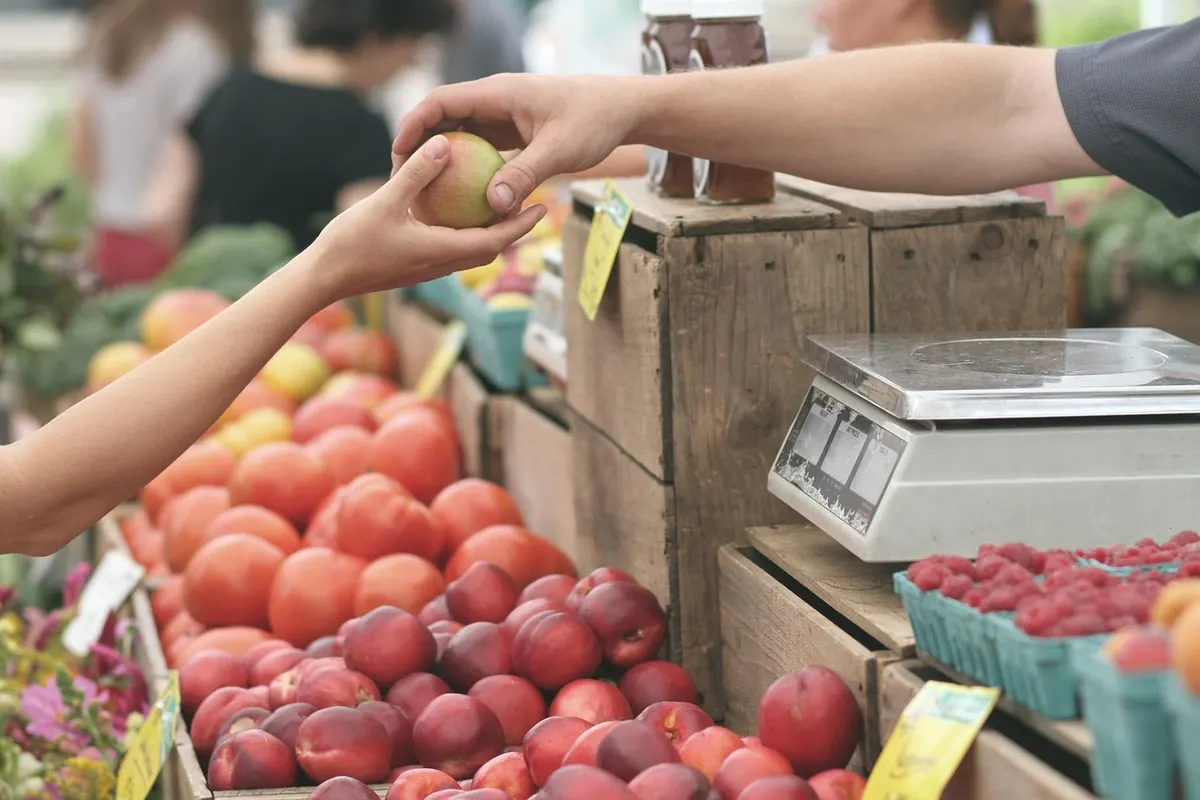
- Bring in: lighter vinegars (white wine, rice, sherry), a smaller bottle of olive oil you'll finish before it fades, whole spices for grilling, fresh peas and favas, young greens, rhubarb.
This is also the moment to switch from giant bottles to smaller ones. Opened oil goes stale faster than most people expect, and a pint you finish in six weeks beats a gallon you don't. If you have the freezer space, blanch and freeze the last of the winter greens rather than watching them yellow in the drawer. Wash and dry the shelves properly while they're empty — spring cleaning in a pantry is mostly about damp and crumbs.
Summer: Heat, Humidity, and the Freezer Pantry
Warm, humid air is hard on dry goods. Flour picks up weevils, spice blends cake into bricks, and anything sitting in a paper bag absorbs the weather. Buy flour in smaller quantities, decant it into glass or thick plastic, and keep the pantry dark and away from the stove.
Let the freezer do the heavy lifting
Nuts, whole-grain flours, seeds, and dried fruit keep far longer frozen, and summer is when most kitchens need the overflow space. Keep a running list taped to the freezer lid so you're not excavating at dinnertime.
Summer's real job, though, is preservation. Buy the vinegar, salt, and jars before the tomatoes arrive, not after. Quick refrigerator pickles need nothing but brine and a week. Tomato sauce, pesto, and herb pastes freeze well in flat bags or ice cube trays, which stack far better than rigid containers. If you're new to home canning, follow a tested recipe from a reputable source rather than an old family ratio — botulism is the one pantry hazard that can genuinely hurt you.
Fall: Stocking Season
Fall is when the pantry earns its keep. Bulk grains, oats, beans, tinned tomatoes, stock, baking supplies, and the first apples and winter squash come in, and the shelves shift from light and quick to sturdy and slow.
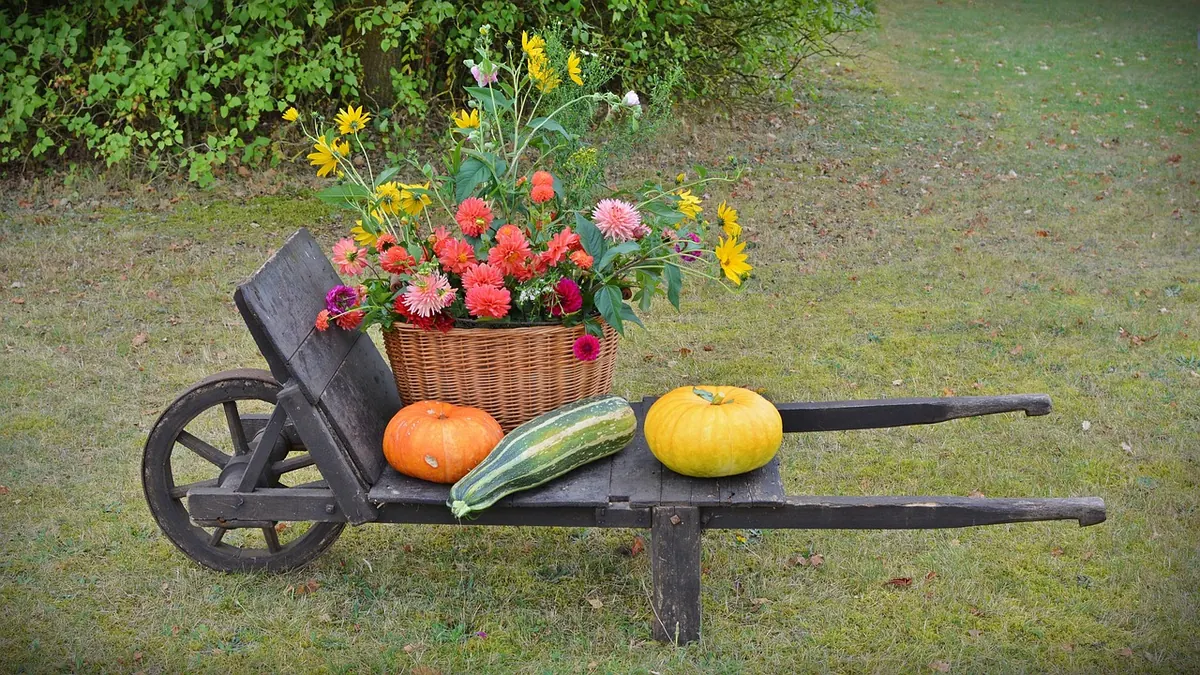
Storage details matter more now. Cure onions and garlic somewhere dry and airy, then keep them in a basket with room to breathe — and away from potatoes, since the two together speed each other's spoilage and sprouting. Winter squash belongs at room temperature, not in the fridge, where the cold turns the flesh grainy. Apples give off a gas that ripens everything nearby, so give them their own corner instead of parking them beside the carrots.
Restock the things you cooked through all summer: whole spices, baking powder, yeast, and vinegar. Baking powder and yeast lose their lift over time; if you're unsure, drop a spoonful of baking powder into hot water and see whether it fizzes.
Winter: Deep Stores and Slow Cooking
Winter is for using, not accumulating. The shelves should be full of beans, broths, dried mushrooms, tinned tomatoes, oats, and warming spices, with a use-first basket at eye level so the oldest jar is also the most visible one.
Citrus is the bright spot of the season. Buy only what you'll eat within a couple of weeks, then zest the rest into a small jar and freeze it before the fruit dries out. This is also the season for a weekly soup or braise that quietly empties three or four half-used bags of legumes and grains. If your pantry is packed and you're still ordering takeout, that's a signal the shelves are stocked with intentions rather than meals.
Anchor the Reset to a Real Event
A quarterly reset only happens if it's attached to something you already do. Pick four anchors and put them in the calendar:
- The first genuinely warm Saturday — spring clear-out.
- The first market tomatoes, or your big preserving weekend — summer.
- Back-to-school week or the first cold snap — fall stocking.
- The quiet week between Christmas and New Year — winter inventory.
Hooking the work to a date you already remember beats a system that depends on motivation showing up.
When the Shelves Match the Season
A seasonal reset doesn't require matching jars or a label maker. It requires four short passes a year in which you empty a shelf, read the dates, move three or four things out, and put three or four things in. Add a use-first card inside the door and one small preservation project each season — pickles in summer, frozen zest in winter — and the pantry starts feeding you instead of storing for a person you no longer are.
Start with one shelf tonight. The rest can wait for the weather to change.
Photo: bernswaelz / Pixabay