A stocked pantry is supposed to make weeknights easier and grocery bills smaller. Then you find a bag of cornmeal at the back of a shelf with a date from two winters ago, three jars of the same paprika, and a can crushed under a tower of seltzer. None of that happened because you were careless. It happened because a handful of small habits quietly work against each other. Here are the five mistakes that waste the most, and the fixes that take minutes to set up.
Mistake 1: Stacking Cans and Boxes Three Deep
Deep shelves invite deep stacks. The front row gets used, the back row becomes archaeology, and by the time you reach it, the date has passed. Tall towers have the same problem in reverse: you can't pull out the bottom item without unloading everything above it, so you don't bother, and the whole column sits there.
The fix is a visibility rule. One row deep, labels facing out, at least an inch of headroom above every container so you can grab it with two fingers. If a shelf is too deep for that, treat it as two zones: everyday items at the front, backstock behind them in a single pull-out bin you can slide forward. A cheap wire riser turns a flat shelf into two visible rows and does more for a pantry than any matching jar set.
Keep heavy things low — big bags of flour and rice, bottles of oil, bulk cans — and put light, awkward shapes up top. If you stack at all, stack identical items and never more than two high.
Mistake 2: Decanting Food Into Containers Nobody Can Identify
Decanting looks tidy and genuinely helps: you can see how much is left, bags don't spill, and pests have a harder time getting in. But three identical jars of white powder are a daily guessing game. Is that cornstarch, powdered sugar, or baking soda? They behave differently in a recipe, and they have different shelf lives.
Label every container with two pieces of information: what it is and when it was opened. "Flour, opened March" beats "flour." Write directly on the jar with a marker, or use a strip of masking tape on the lid and the side. Before you pour anything in, cut the label off the original bag and tape it inside the container or to the lid — that keeps the cooking instructions, the use-by date, and the lot information with the food.
You don't need to decant everything. Pasta boxes, sealed snack bags, and cartons with good closures are fine as they are, and their packaging already carries the date. Reserve the jars for the things you use constantly and the bags that tear.
Mistake 3: Letting Shelf Life Slip Past You
Most pantry waste isn't mold or spoilage. It's food that simply went stale, flat, rancid, or lost its punch while sitting quietly behind newer purchases. The culprit is usually missing rotation: you buy a new jar, put it in front of the old one, and the old one never gets a turn.
Fix it with first in, first out. When you unpack groceries, pull the older item forward and put the new one behind it. That single move handles most of the problem.
Know roughly how long things last
- Oils, nuts, whole grains, and whole wheat flour: the fats in these go rancid faster than you'd expect. Buy amounts you'll finish in a few months and keep the overflow in the fridge or freezer.
- Ground spices and dried herbs: they fade rather than spoil. If a spice smells like dust instead of what it is, replace it.
- Canned goods, dried pasta, rice, and beans: long-lived, but not immortal. Rotate them and check dates once a season.
- Opened jars, sauces, and condiments: write the open date on the lid. Once a jar is open, the printed date no longer tells you much.
The eat-me-first bin
Keep a small basket or tray on the shelf at eye level and make it the home of anything approaching its date: the open bag of pecans, the half-box of crackers, the jar of tahini you bought for one recipe. Everyone in the house knows that bin is fair game and gets used first. It is the single easiest way to stop good food from sliding into the bin.
Mistake 4: Storing Food in the Wrong Spot
The cabinet above the stove feels convenient, which is exactly why it's the worst place for oil and spices. Heat speeds up rancidity and dulls seasoning, and light does the same. Move cooking oil and spices to a cool, dark cabinet away from the range and the dishwasher, and use opaque containers for anything light-sensitive.
A few pairings to stop making:
- Onions and potatoes together. Onions give off a gas that encourages potatoes to sprout, and both release moisture that makes the other rot faster. Give each its own dry, airy, dark spot.
- Bread in the fridge. Cold temperatures speed up staling. Freeze what you won't eat in a couple of days instead.
- Flour in a torn paper bag on the floor. That's an open invitation to pests. Transfer it to a sealed container or the freezer.
- Anything directly on the floor of a garage or basement. Use a shelf so you can see for signs of damp or visitors.
One safety note worth repeating: if a can is bulging, leaking, or dented along its seam, throw it out rather than tasting it. When you're unsure whether something shelf-stable is still safe, check your local food safety authority's guidance rather than guessing.
Mistake 5: Shopping Before Checking What You Own
Pantry clutter is usually a shopping problem, not a storage problem. You buy a third jar of cumin because you can't remember whether you have one, then you buy a fourth because the third is hidden behind the cereal. Duplicates crowd out the things you actually cook with, and the money sits on the shelf.
Before you shop, take thirty seconds. Open the pantry doors and take a photo with your phone — that picture answers most "do we have any?" questions from the store aisle. Keep a running out-list inside the pantry door, on a notepad or a sheet of paper stuck up with tape, and add to it the moment something runs low instead of trying to remember later. Then shop from meals you plan to cook, not from what's on sale. A bargain on six cans of something nobody in the house likes isn't a bargain.
A Ten-Minute Reset That Keeps It Working
Systems drift, so give the pantry a short monthly pass. Pull the front row of each shelf, wipe the shelf, and check dates as you go. Anything close to its date goes into the eat-me-first bin. Anything you know you won't use goes to a donation box or into a meal plan for the week. Add low items to the out-list, then load everything back front-to-back, oldest in front, labels out.
Ten minutes once a month is enough. The pantry stays visible, you stop buying what you already own, and the food you spent money on gets eaten instead of discovered. If you want a starting point, do the eat-me-first bin and the front-to-back load today — those two habits alone will cut most of the waste.
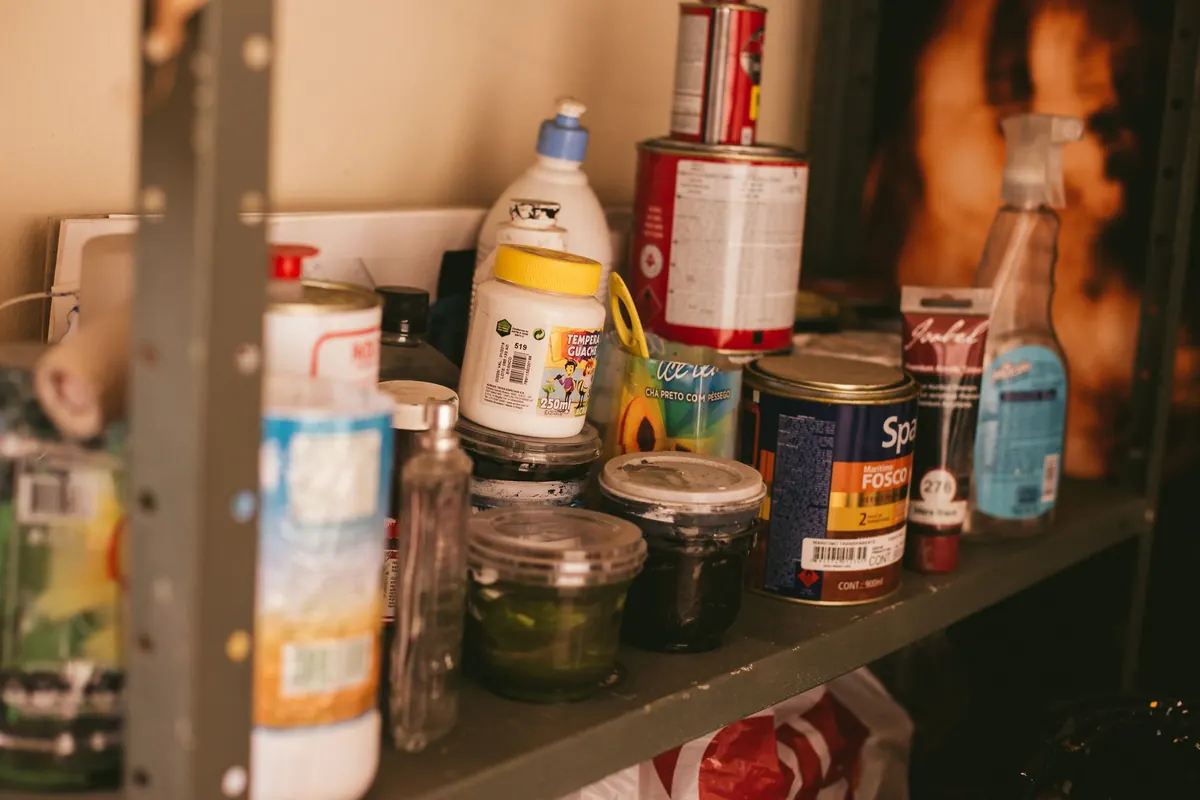
Photo: Karyme França / Pexels